
Valances and cornices add the final layer that makes a window treatment feel complete — whether you want soft fabric detail or a more structured, tailored top treatment.
Custom Valances & Cornices for a More Finished Window Look
Custom Valances • Custom Cornices • Decorative Top Treatments • Professional Installation
Valance or cornice? Start here.
Choose a Valance when you want:
Quick recommendation
Want full fabric softness too? Explore Panels & Drapes
Why homeowners choose valances and cornices
Top treatments are popular because they do something many standard window coverings do not: they finish the window visually. They can soften hard lines, add color or structure, hide hardware, and make the whole treatment feel more intentional and more custom.
What you get with Better Blinds Plus
Guidance on valance vs cornice based on room style and goals
Recommendations on scale, fabric, and pairing options
Options to layer over shades, blinds, or drapery where appropriate
Accurate measuring for width, height, and projection
Professional installation and final walkthrough
What makes top treatments different?
More finished windows
Valances and cornices add a completed look that can make the window feel taller, cleaner, and more designed.
Hardware concealment
They can help hide rods, blind headrails, and upper mounting details.
Design flexibility
Valances bring softness and fabric detail, while cornices bring stronger structure and cleaner lines.
Great for layering
They pair especially well with drapery, shades, and blinds when you want both function and a more finished aesthetic.
Choosing the right valance or cornice
Valance styles
Tailored / straight valance
A cleaner fabric look with simple lines.
Shaped or decorative valance
A softer, more traditional or decorative expression depending on the fabric and room.
Cornice styles
Simple box cornice
A clean, structured option with a more tailored look.
Upholstered or detailed cornice
A more decorative style that can add texture, trim, welt, or stronger definition.
Valances usually feel softer and more fabric-driven. Cornices usually feel more structured and architectural.
What they pair well with
Shades
A strong choice when you want to hide the headrail and add softness or structure above a functional shade.
Blinds
Useful when you want to soften the top of the window or conceal hardware.
Drapery panels
A strong fit when you want a more layered, designer-style window treatment.
Only keep specific style or pairing claims live if the current supplier/product line supports them.
Cornice vs valance: what’s the difference?
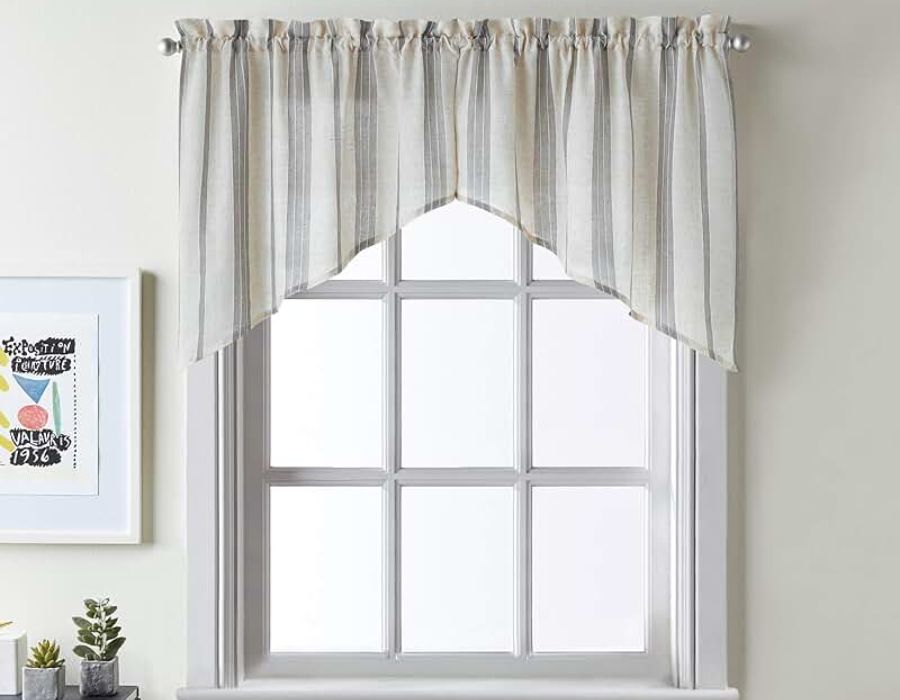
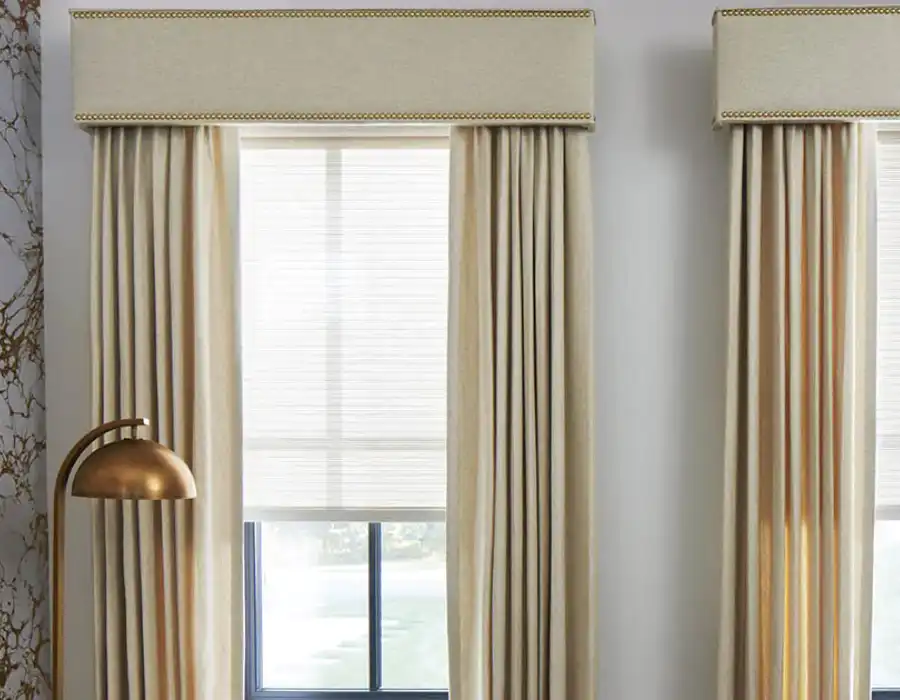
Decision note:
If your top priority is softness and fabric styling, a valance usually wins. If your top priority is structure and a cleaner built-in finish, a cornice is often the better fit.
Best rooms for valances and cornices
Living room
A great place to add softness, structure, and a more complete designer finish.
Bedroom
A strong choice when paired with drapery or shades for a fuller window treatment.
Dining room
An excellent fit when you want the room to feel warmer, more polished, and more layered.
Kitchens and breakfast areas
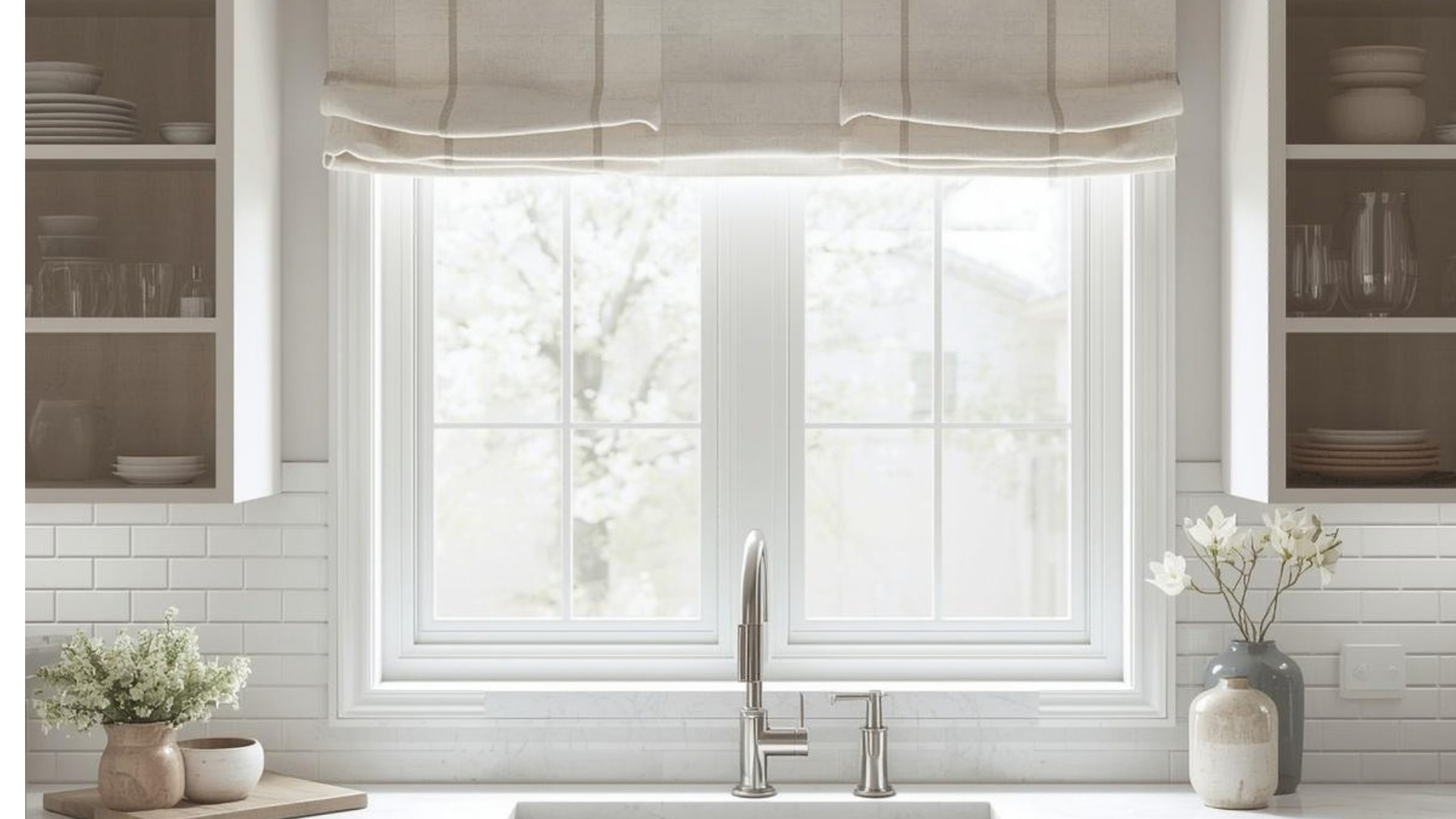
Valances can work especially well when you want decorative top detail without full-length drapery.
Why measuring matters for top treatments
Valances and cornices look best when their width, height, and projection are scaled correctly to the window and whatever sits underneath them.
They usually extend beyond the window frame for a fuller, more intentional look.
If layered over blinds or shades, they need enough projection to clear the headrail cleanly.
Correct scale makes the treatment look custom instead of crowded or undersized.
How getting custom valances and cornices works

Want pricing first? Request a Free Quote.
Recent valance and cornice projects
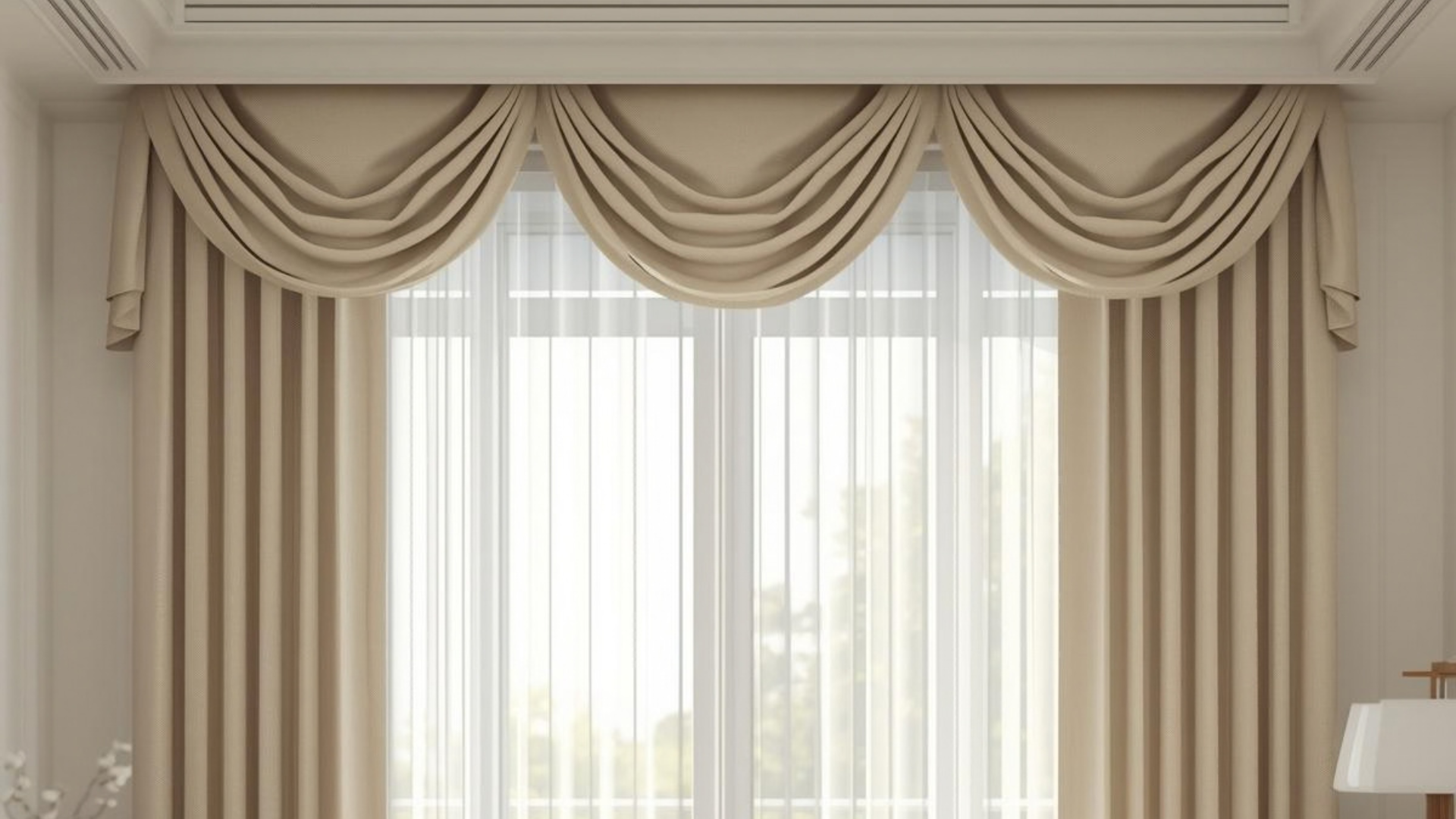
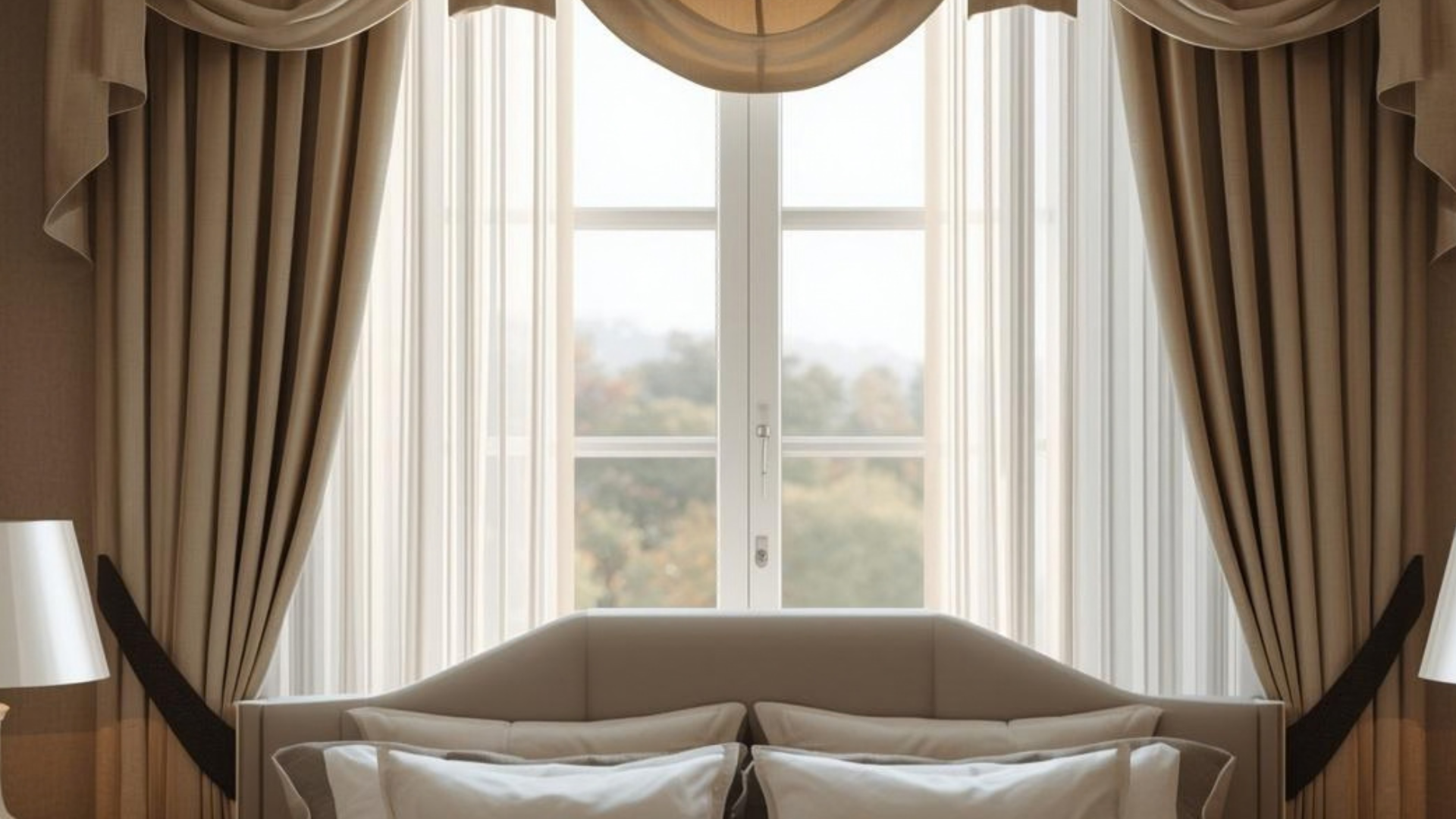
Room: Living room
Style : Valance
Goal : Softer finish
Result : Cleaner fit, more finished window, elevated room design
Location : Milwaukee County
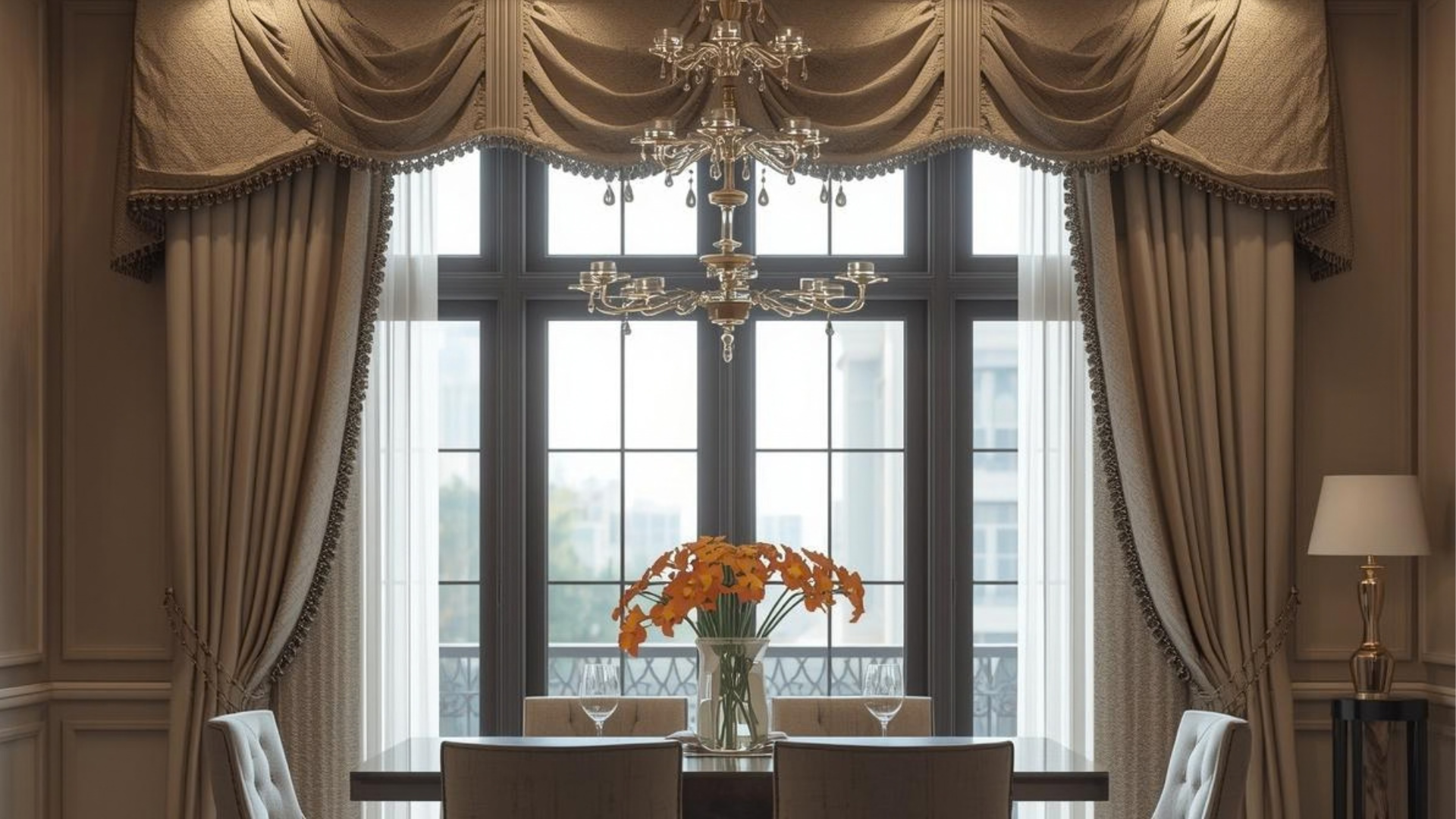
Get a free quote for custom valances and cornices
Tell us about your room, window count, and whether you want a softer valance or a more structured cornice. We’ll help you choose the right option and handle measuring + installation.
Prefer phone? Wisconsin (414) 299-9099 or Illinois (773) 207-5743.
Email us at info@betterblindsplus.com
FAQs
Frequently Asked Questions
A valance is usually a softer fabric top treatment, while a cornice is more structured and typically has a box-like shape.
Yes. They’re often used today to add a more finished, layered look and to conceal hardware above shades, blinds, or drapery.
Yes. In some rooms, especially kitchens or smaller windows, they can be used on their own. They also pair well with shades, blinds, and drapery.
Yes. One of the main reasons people choose a cornice is to create a cleaner top line and conceal upper hardware.
Yes. Valances can be a strong fit in kitchens and breakfast areas when you want decorative top detail without full-length drapery.
It depends on the window and what sits underneath, but they usually extend beyond the frame for better proportions and a more intentional look.
Yes. They’re often used specifically to layer over shades, blinds, and drapery panels for a more finished window treatment.
Yes. We provide professional measuring and installation to help ensure the best fit, clean appearance, and proper proportion.