
Wood blinds and faux wood blinds can look similar from across the room, but they behave very differently once you factor in humidity, cleaning habits, and window size. This guide compares the two materials so you can choose the one that fits your space and expectations—without overthinking it.
To explore custom blinds options (and get help matching the right material to each room), Visit Better blinds plus.
What’s the difference between wood blinds and faux wood blinds?
Wood blinds are made from real wood slats, which gives them natural grain, warmth, and variation. Faux wood blinds are made from engineered materials (often PVC or a composite) designed to mimic a wood look while prioritizing moisture resistance and easy maintenance.
In practice, the “right” choice usually comes down to three questions: How humid is the room? How big is the window? And how picky are you about real-wood character up close?
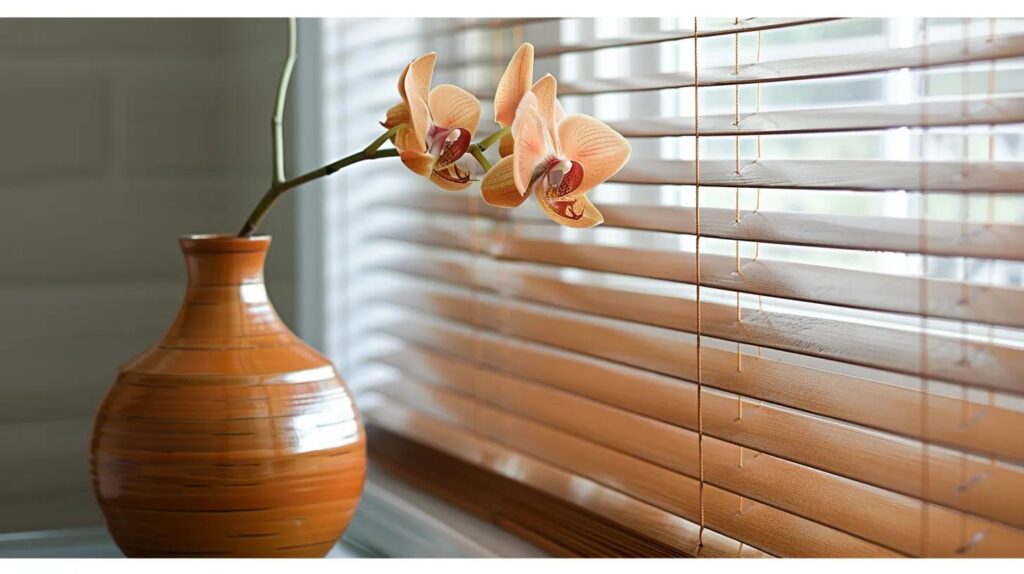
Which looks more natural up close?
If you care about authentic texture and subtle grain variation, real wood typically looks more natural at close range. Faux wood can look very convincing—especially in bright whites and clean modern finishes—but it may appear more uniform when you’re standing right next to it.
A helpful way to decide is to stand where you’ll actually view the window most often. If the blinds are across the room, faux wood often looks “real enough.” If the blinds are in a focal point space (like a dining room or front living room), real wood’s character may feel more worth it.
Which handles humidity and splashes better?
For rooms with frequent humidity swings or occasional splashes, faux wood is usually the safer bet because it’s less affected by moisture. Real wood is hygroscopic (it exchanges moisture with the surrounding air), so repeated high humidity can contribute to swelling, shifting, or warping over time in the wrong space.
If you’re choosing blinds for a bathroom, laundry area, or a kitchen window near the sink, faux wood is often the practical choice. To see faux wood blind options, visit Better Blinds Plus.
Which is easier to clean and maintain?
In most homes, faux wood is easier to live with because it tolerates wiping with a lightly damp cloth. Real wood generally benefits from gentler cleaning and less moisture.
Quick cleaning checklist (wood vs faux wood)
- Dust first (microfiber duster or soft brush)
- Spot clean only where needed
- Use minimal moisture on real wood (slightly damp cloth, then dry)
- Faux wood can handle a bit more wipe-down (still avoid soaking)
- Avoid harsh chemicals on either material
- If you clean weekly, you’ll rarely need deep cleaning
Which is heavier—and why does that matter?
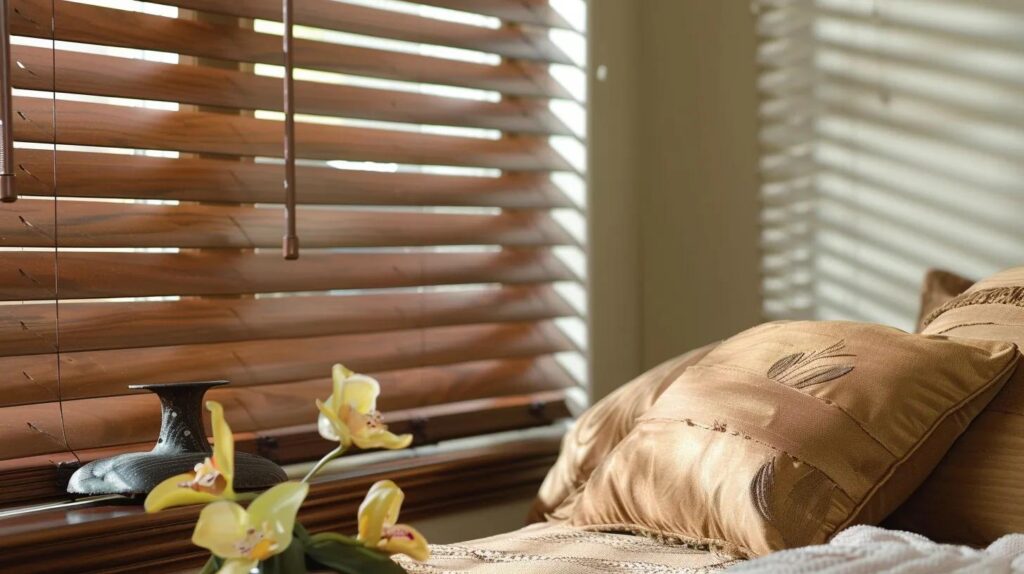
In many cases, faux wood blinds are heavier than real wood blinds, and weight matters more than most people expect. Heavier blinds can feel harder to lift on tall windows and may benefit from sturdier hardware, thoughtful sizing, or a lift system that suits your household.
This doesn’t mean faux wood is a bad choice—it just means large/tall applications deserve extra attention to operation and support.
Which is better for large windows and wide spans?
For large windows, real wood is often the easier material to operate because it’s typically lighter. Faux wood can still work on wide or tall windows, but it may require more careful planning (for example, multiple blinds side-by-side, a split design, or other practical adjustments).
If your project includes big spans and you love the real-wood look, explore our official website Better blinds Plus.
How do wood and faux wood compare on durability and day-to-day living?
If you expect frequent touching, pets brushing the blinds, or kids experimenting with slats, faux wood is often the more forgiving option because it’s simple to wipe and less sensitive to moisture. Real wood holds up well in dry, low-splash spaces, but it rewards a lighter-touch cleaning routine.
If your top priority is a premium, natural finish in a lower-humidity room, wood can be a great fit. If your top priority is “easy to maintain and hard to fuss up,” faux wood often wins.
Decision table: wood vs faux wood (choose by priority)
Use this table as a quick “matchmaker” for your room and your expectations.
| Your priority | Wood blinds tend to fit best when… | Faux wood blinds tend to fit best when… | Practical takeaway |
| Humidity resistance | The space stays dry and consistent | The room has steam, splashes, or humidity swings | Humid rooms usually favor faux wood |
| Natural look up close | You want real grain and warmth | You’re happy with a consistent wood-look finish | Focal-room windows often favor wood |
| Easy cleaning | You’re fine with gentler cleaning | You want simple wipe-down maintenance | Busy households often favor faux wood |
| Large/tall windows | You want easier lifting and less weight | You’re okay planning for heavier blinds | Big spans often favor wood for operation |
| Budget flexibility | You’re investing in premium material | You want a value-friendly wood look | Compare features first, not just material |
| Everyday wear (hands/pets) | The room has lighter daily traffic | The room gets touched, bumped, or wiped often | High-touch areas often favor faux wood |
What does this choice look like in real homes?
Mini-scenario 1: Kitchen refresh vs formal dining room
A homeowner wants one consistent look across the main floor. They choose faux wood in the kitchen because it’s easy to wipe down and handles humidity better, then choose wood in the dining room for a warmer, more natural look where splashes and steam aren’t an issue.
Mini-scenario 2: Large front window with afternoon sun
A family has a tall front window that gets strong afternoon light. They like faux wood’s low-maintenance appeal, but they also want smooth daily operation. They lean toward wood for the large window (lighter to lift), while using faux wood in nearby smaller windows for consistent style and easy cleaning.
If you’d like a second opinion based on your specific windows, Better Blinds Plus can help you compare materials and get everything measured to fit.
Common mistakes and red flags when choosing wood vs faux wood
- Choosing real wood for a high-humidity room: It may look great at first, but moisture swings can create long-term headaches.
- Ignoring weight on tall or wide windows: Heavier blinds can feel inconvenient day-to-day if lift and support aren’t planned well.
- Assuming all faux wood looks identical: Quality and finish realism vary—get samples or compare finishes in your lighting.
- Cleaning wood blinds with too much moisture: Gentle dusting and minimal damp wiping usually works best.
- Optimizing for “looks only” instead of the room: A small tradeoff in appearance can be worth it for easier maintenance.
Quick FAQs about wood vs faux wood blinds
Are wood blinds or faux wood blinds better for privacy?
Both can provide excellent privacy when closed. The more meaningful difference is typically room suitability (humidity, cleaning, window size) rather than privacy alone.
Do wood blinds insulate better than faux wood blinds?
Both can help manage glare and comfort, but insulation varies more by fit and product design than by “wood vs faux.” If energy efficiency is a top priority, the U.S. Department of Energy notes that insulated cellular shades can provide higher insulating value than many standard window coverings.
Can I mix wood and faux wood blinds in the same home?
Yes—mixing is common. Many homeowners use faux wood in humid or high-touch spaces and wood in drier, more formal rooms to balance practicality and aesthetics.