
Custom blinds can vary widely in price—even when two homes look similar. This guide explains the real factors that change the budget (size, materials, features, and install complexity) so you can plan intelligently and avoid paying more for upgrades you won’t notice. We’ll focus on how to think about cost, not on quoting numbers.
If you want help comparing blind options and getting a fit-first recommendation, start here at better blinds plus.
What are the biggest cost drivers for custom blinds?
The biggest drivers are the ones that change how much material and labor the blind requires: window size/shape, material choice, operating system (corded, cordless, motorized), feature upgrades, and installation complexity. Most pricing differences trace back to one of those levers.
A simple way to use this: decide what you care about most (looks, easy maintenance, glare control, safety, convenience), then spend on the lever that actually improves that goal.
How do window size and shape change the budget?
Larger windows require more material and can require stronger headrails or different configurations. Specialty shapes (arches, angles, bay setups) and very wide openings can also add complexity because they often require more customization and more careful installation.
If you’re budgeting for a whole home, count the “outlier” openings first—very wide windows, hard-to-reach windows, and sliding doors. Those are typically where quotes diverge the most.
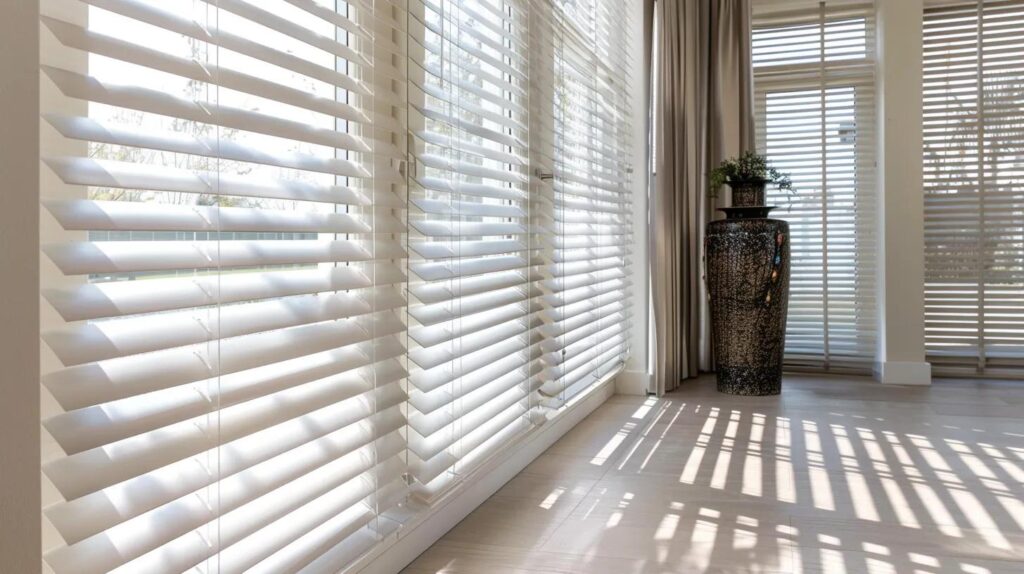
How does material choice affect custom blind cost?
Material affects cost because it changes both the raw components and the finish level.
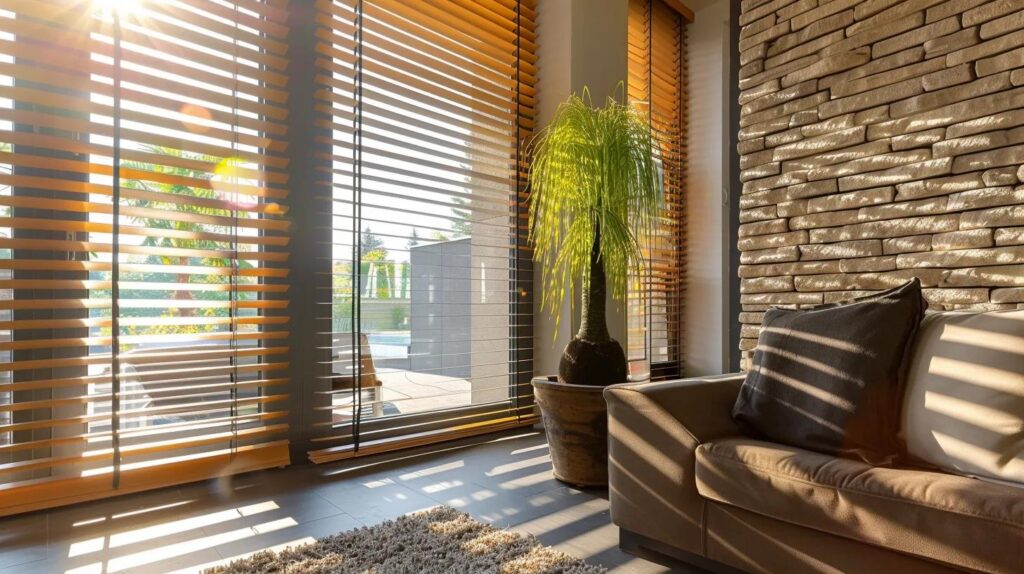
- Wood blinds often sit on the more premium side because of natural material and finishing.
- Faux wood blinds are often chosen for durability and wipeable maintenance, especially in higher-humidity or high-touch spaces.
- Aluminum/vinyl options can be practical and lightweight for some windows.
If you’re deciding between wood and faux wood primarily for budget and maintenance reasons, these category pages help you compare the options:
Which upgrades increase the price the most (and when are they worth it)?
Some upgrades raise cost because they add components, precision, or setup time.
Upgrades that commonly change the budget:
- Cordless operation: Often priced higher than basic corded systems, but many homeowners prioritize it for a cleaner look and simpler daily use.
- Motorization / smart control: Adds hardware and setup; most worth it on hard-to-reach windows or when you want one-touch control across multiple windows.
- Premium finishes and textures: More noticeable in focal rooms than in utility spaces.
- Light-control enhancements: Useful when glare or privacy is the main issue, but not always necessary everywhere.
A good rule: pay for upgrades on the windows where you’ll feel the benefit every single day (not on the windows you rarely touch).
What affects installation cost and complexity?
Installation varies because not every window is equally easy to mount.
Common complexity drivers include:
- Height and accessibility (ladders, stairwells, tall foyers)
- Mounting surface conditions (trim depth, uneven openings, material behind the wall)
- Large or heavy blinds that need more support
- Wide openings that require alignment across multiple sections
If you’re deciding between inside mount and outside mount, mount choice can also change labor and hardware needs. (This post stays focused on cost, but here’s the mount decision guide if you need it).
Decision table: what moves your budget the most?
Use this as a quick “what to expect” map when you compare quotes. The point isn’t exact dollars—it’s understanding which lever is doing the work.
| Cost lever | Usually lower cost when… | Usually higher cost when… | Best time to spend more |
| Window size | Standard windows, easy access | Very wide/tall windows, stairwells | Big focal windows you use daily |
| Window shape | Rectangular openings | Arches/angles/bays/special shapes | When custom fit is the only clean solution |
| Material & finish | Simple, durable finishes | Premium woods, specialty finishes | Focal rooms where you see the blinds up close |
| Operating system | Basic operation | Cordless or motorized systems | Kids’ rooms, hard-to-reach windows, convenience zones |
| Feature set | “Need-to-have” features only | Added upgrades across every window | When it solves a real daily problem (glare, access, safety) |
| Installation complexity | Easy mounts, consistent openings | Uneven openings, challenging mounting surfaces | Multi-window walls where alignment matters |
Quick checklist: what to gather before you request quotes
- A list of windows and doors you want covered (label them by room)
- Which openings are large, high, or hard to reach
- Any “problem windows” (glare, privacy, humidity, heavy traffic)
- Your must-have priorities (easy cleaning, safety, convenience, premium look)
- Your preferred operation style (corded, cordless, motorized)
- A note on where you want the best look (focal rooms) vs “good enough” (utility areas)
External references on the types of factors that influence blinds + installation cost.
Two budgeting examples that make the tradeoffs clearer
Mini-scenario 1: One large living-room window + several standard bedrooms
A homeowner has one wide, highly visible living-room window and three standard bedroom windows. They spend on better material and smoother operation for the living-room window because it’s a focal point used daily. In the bedrooms, they prioritize reliable privacy and a consistent look—without upgrading every feature on every window.
Mini-scenario 2: Kitchen + bath windows where maintenance matters
A family has a kitchen sink window and a bathroom window that get steam and splashes. They prioritize a wipeable, moisture-tolerant blind type for those rooms, because maintenance is the “daily pain point.” In the dry living area, they choose a finish that looks more premium—because that’s where appearance matters most.
Soft next step: if you want help selecting the best blinds mix by room and window type, start with the main category here.
Common budgeting mistakes and red flags
- Upgrading every window the same way, even when you rarely use some of them
- Paying for premium finishes in utility spaces where you won’t notice the difference
- Ignoring accessibility (tall windows and stairwells often change installation needs)
- Forgetting to plan for problem windows (glare/privacy/humidity) and then “fixing it later”
- Comparing quotes without confirming what’s included (product, measuring, installation, disposal)
Cost-planning FAQs
Are custom blinds always more expensive than ready-made?
They’re usually higher upfront because they’re built to fit your window and your chosen options. The tradeoff is often better fit and a more finished look—especially on non-standard windows.
What’s the best way to keep costs under control without getting a “cheap” result?
Spend on the windows you touch daily and the rooms where a feature solves a real problem (glare, humidity, access). Keep other windows simple and consistent.
Should I choose motorized blinds to reduce effort on big windows?
Motorization can be worth it when a window is hard to reach, used frequently, or when you want grouped control. If you’ll only use the feature occasionally, it may be a “nice-to-have” rather than a priority.
Next step
If you want a blinds plan that fits your home’s priorities—without overpaying for upgrades you won’t use—start here to compare options and get help with the right setup with Better Blinds Plus.