
Blinds collect dust faster than most people expect—and the wrong cleaning method can leave slats warped, streaked, or sticky. This guide shows a safe, repeatable way to clean blinds without damaging them, with quick adjustments based on whether you have wood, faux wood, or vertical blinds. You’ll get a simple routine for everyday dust, plus a smarter approach for kitchen grease and high-traffic doors.
If you’d rather have blinds professionally measured and installed (so they fit cleanly and operate smoothly), see your options here at our official website.
How often should you clean blinds to keep buildup from getting “sticky”?
A light routine beats occasional deep-clean marathons. In most homes, a quick dusting every 1–2 weeks prevents the film that makes blinds feel grimy—especially near kitchens, pets, or open windows.
If you notice dust reappearing within a few days, it’s usually a sign you’ll benefit more from more frequent light dusting than heavier cleaning products.
What’s the safest “everyday” method for any blinds?
Start with dry cleaning first. Close the blinds, tilt slats slightly downward, and dust in the direction of the slats. Then reverse the tilt and repeat so you catch the overlap areas.
For most blinds, the safest everyday tools are a microfiber cloth/duster or a vacuum with a brush attachment—because they remove dust without soaking finishes.
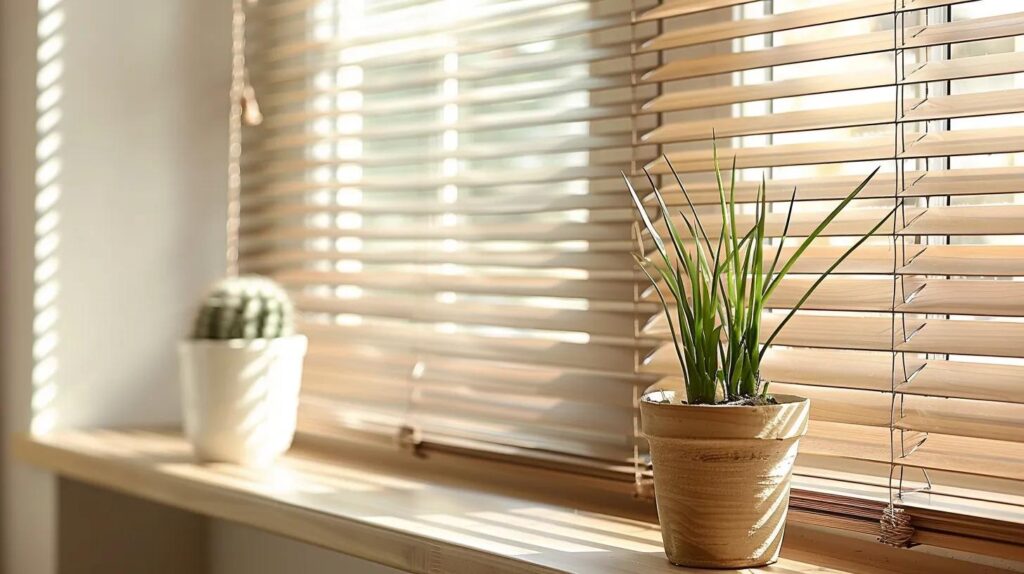
How do you clean wood blinds without ruining the finish?
For real wood blinds, the safest approach is dry dusting first, minimal moisture second. Wood finishes can be sensitive to excess water, so avoid soaking, dripping cloths, or spray cleaners applied directly to slats.
If you need spot cleaning, dampen a cloth lightly (think “barely moist”), wipe the mark, and then dry immediately. If you’re considering wood blinds for a drier room, browse our wooden blinds.
External reference (wood blinds care guidance).
How do you clean faux wood blinds safely (and a little faster)?
Faux wood is generally more forgiving for wipe-downs, which makes it a practical choice in busy spaces. After dusting, you can use a lightly damp cloth with mild soap and water for spot cleaning or a gentle wipe-down.
The main rule is still: avoid saturation. Excess water can run into ladders and hardware and create streaks or residue if it dries unevenly.
If faux wood is your main blind type, see options here at website Faux wood.
External reference (general blind cleaning how-to).
How do you clean vertical blinds (vinyl vs fabric) without bending vanes?
Vertical blinds clean best when you prevent vanes from twisting or pulling out of alignment. Keep the vanes hanging, stabilize each vane with one hand, and wipe or vacuum in a top-to-bottom direction.
- Vinyl vertical vanes: Dust first, then wipe with a damp cloth and mild soap if needed.
- Fabric vertical vanes: Vacuum with a brush attachment first; spot-clean gently instead of scrubbing.
External reference (fabric vertical care guidance).
Comparison table: the right cleaning method by blind material
Use this table to choose a method that cleans effectively without forcing you into risky “soak and scrub” habits.
| Blind type | Routine cleaning (fast) | Spot cleaning (safe) | Deep cleaning (only if needed) | Avoid |
| Wood blinds | Microfiber dusting; vacuum brush | Barely damp cloth; dry right away | Gentle wipe-down by slat; keep moisture minimal | Soaking, heavy water, harsh chemicals |
| Faux wood blinds | Microfiber dusting; vacuum brush | Mild soap + lightly damp cloth | Careful wipe-down; avoid dripping into hardware | Saturating slats; abrasive pads |
| Vinyl/aluminum blinds | Dusting; vacuum brush | Mild soap wipe-down | Remove and clean if heavily greasy; dry fully | Abrasive scrubbers; leaving soap residue |
| Vinyl vertical blinds | Dusting; wipe top-to-bottom | Mild soap wipe (support vane) | Clean one vane at a time; let dry fully | Twisting/pulling vanes; rough scrubbing |
| Fabric vertical blinds | Vacuum brush; light dusting | Gentle spot clean | Follow care guidance; avoid aggressive washing | Immersing/dry cleaning unless specified |

Quick checklist: a 10-minute blind cleaning routine
- Close the blinds and dust with a microfiber cloth/duster
- Tilt slats the other way and dust again (catch overlap areas)
- Vacuum with a brush attachment if dust is stubborn
- Spot-clean only where needed (mild soap + lightly damp cloth)
- Dry slats immediately if you used any moisture
- Wipe the headrail/control area lightly (dust collects here too)
What does this look like in real homes?
Mini-scenario 1: Kitchen blinds that feel “sticky”
A homeowner notices that dusting isn’t enough—the slats feel slightly tacky from cooking residue. They start with a full dusting, then spot-clean only the worst slats using mild soap and a lightly damp cloth, drying each section as they go. The key change is avoiding sprays and avoiding soaking, so the blinds don’t turn streaky.
Mini-scenario 2: Patio door vertical blinds with fingerprints and pet hair
A family with a dog sees hair and smudges near the main walkway. They vacuum the fabric (or dust vinyl vanes) weekly, then wipe only the high-touch area with a damp cloth while supporting each vane so it doesn’t twist. The routine stays small—so the door area always looks “good enough,” not perfect once a season.
Soft next step: if your blinds are due for replacement and you want options that are easier to maintain day-to-day, browse the main blinds category here.
Common mistakes and red flags (what usually causes damage)
- Skipping dusting and going straight to wet cleaning: You can smear dust into grime and create streaks.
- Soaking wood blinds or using spray cleaners directly on slats: Excess moisture can damage finishes and create warping or staining.
- Using abrasive pads or harsh chemicals: They can scratch finishes and dull the look.
- Forgetting to dry after spot-cleaning: Soap residue and water marks show up fast on slats.
- Pulling or twisting vertical vanes while cleaning: It can misalign the track and make operation feel rough.
FAQs
Do I need to take blinds down to clean them?
Usually, no. Most routine cleaning is easier with blinds hanging. Taking them down is only worth it when they’re heavily greasy or the buildup can’t be removed safely in place.
Can I use vinegar to clean blinds?
Vinegar solutions are commonly used for vinyl, aluminum, and faux wood, but it’s usually smarter to avoid vinegar on real wood finishes. When in doubt, mild soap and water on a lightly damp cloth is the safer baseline.
What’s the fastest way to make blinds look better immediately?
Dust both directions (two tilts), then spot-clean only the most visible slats. Most of the “dirty look” comes from uneven dust and overlap buildup—not the entire blind.
Next step
If you want blinds that fit cleanly, look right in the room, and are easy to maintain, start here to explore options and get help with the right setup.