
Slat size sounds like a small detail, but it changes how your blinds look, how open the view feels, and how much “visual texture” the window adds to the room. This guide helps you choose between 1-inch, 2-inch, and 2.5-inch slats for wood and faux wood blinds based on the window’s scale and how you use light and privacy day to day.
If you want a quick recommendation by room and window size (and help making sure everything fits cleanly), start here at better Blinds Plus Blinds.
How does slat size change the way blinds look and feel?
In general, wider slats look calmer and more open, while narrower slats look more detailed. Wider slats also mean fewer slats across the window, which can make the view feel less “striped” when the blinds are tilted open.
The tradeoff is that narrower slats can feel more traditional and can look better scaled on smaller windows where wide slats may look oversized.
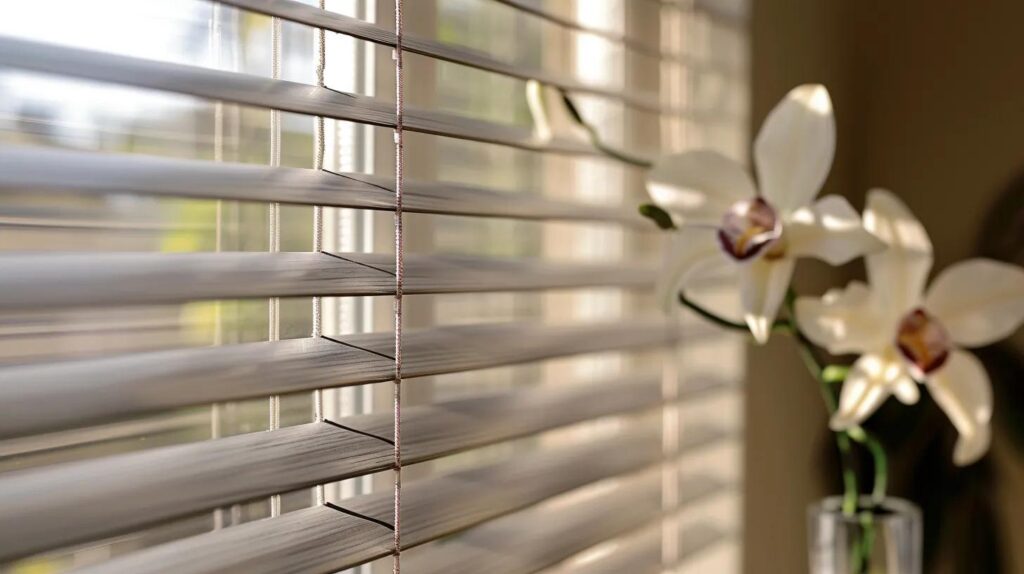
When do 1-inch slats make the most sense?
1-inch slats usually make the most sense on smaller windows or when you want a more detailed, classic blind look. They can also be useful when you’re trying to keep the visual presence of the blind lighter and more “mini-blind-like” on compact openings.
If you’re choosing 1-inch slats, the key is making sure they feel proportional to the window. On very large windows, 1-inch slats can look busy and take away from the view.
Why are 2-inch slats the “default” choice for most homes?
2-inch slats are the most versatile option for many homes because they balance proportion, light control, and a clean look. They tend to look right on a wide range of standard window sizes without feeling too heavy or too delicate.
If you’re unsure where to start, 2-inch slats are often the safest “works almost anywhere” choice.
When should you choose 2.5-inch slats?
2.5-inch slats often feel best on larger windows where you want a more open look and a less interrupted view when the blinds are tilted. Because the slats are wider, there are fewer of them, and that can make a wide window feel more modern and less visually busy.
If your window is a focal point (a big living room window, a bright dining space, or an open-concept area), 2.5-inch slats can help the window feel more like a design feature than a “covered opening.”
Decision table: choosing the best slat size by your priorities
Use this table to match your window and your priorities to the slat width that typically fits best.
| What you care about most | 1-inch slats tend to fit best when… | 2-inch slats tend to fit best when… | 2.5-inch slats tend to fit best when… |
| Window size & scale | The window is small or narrow | The window is standard-sized | The window is wide/tall and a focal point |
| How “open” the view feels | You don’t mind more visual lines | You want a balanced feel | You want a cleaner, more open view when tilted |
| Room style | You like a more detailed, traditional look | You want a classic, flexible look | You want a slightly more modern, simplified look |
| Visual “busyness” | You’re okay with more texture at the window | You want a clean but familiar look | You want fewer slats (less striping) |
| Privacy + daylight balance | Works well for everyday privacy | Works well for most privacy/light needs | Works well, but feels “airier” when open |
| Consistency across many windows | Best if most windows are small | Easiest size to unify across rooms | Best if most windows are larger or you’re highlighting key windows |
Quick checklist: pick the right slat size in under two minutes
- Start with window scale: small windows often look best with 1″–2″; large focal windows often suit 2″–2.5″.
- Decide if you want the blinds to feel detailed (narrower) or calm and open (wider).
- If the room is a design focal point, lean toward the slat size that feels less visually busy.
- If you’re covering many windows, choose the size that will look consistent across the majority.
- If you’re unsure, 2″ is the safest default and you can “upgrade” key windows to 2.5″ for a more open look.
What does this look like in real homes?
Mini-scenario 1: Small windows in an older home
A homeowner has several smaller windows with deeper trim and wants blinds that don’t feel oversized. They choose 1-inch slats for the smaller openings so the blinds feel proportionate and detailed. In the one larger front window, they use 2-inch slats so the view doesn’t feel overly striped.
Mini-scenario 2: Open-concept living area with one wide focal window
A family has a large living room window that’s visible from the kitchen and entryway. They want the blinds to feel more modern and less visually busy when open, so they choose 2.5-inch slats for that window. For nearby standard windows, they keep 2-inch slats for a consistent look that still feels clean.
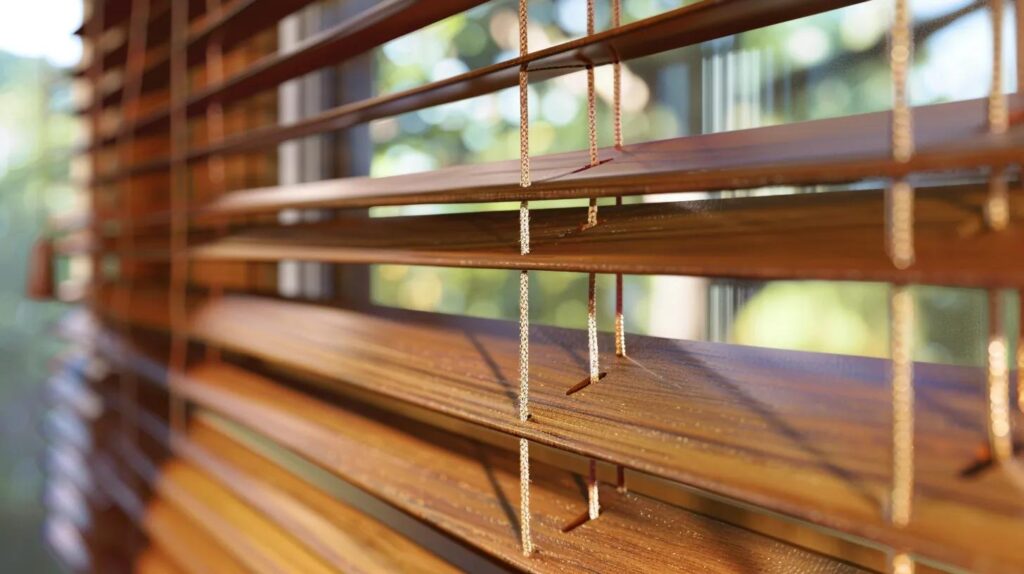
If you want help matching slat size to your window scale and room style, browse wood and faux wood options here:
Common mistakes and red flags when choosing slat size
- Picking 1-inch slats for a very large window: It can look busy and reduce the “open view” feel.
- Choosing 2.5-inch slats for a tiny window: Wide slats can look oversized on small openings.
- Mixing slat sizes randomly across a wall: If two windows sit next to each other, mismatched slat widths can look accidental.
- Ignoring how you actually use daylight: If you frequently tilt for view-through, wider slats usually feel more open.
- Assuming slat size alone changes privacy dramatically: Fit, mount choice, and how you use tilt often matter more than the difference between 2″ and 2.5″.
FAQs
Is 2-inch or 2.5-inch better for privacy?
Both can provide strong privacy when closed. The bigger day-to-day difference is usually how open the view feels when you tilt the blinds and how the blinds look in the room.
Can I mix 2-inch and 2.5-inch slats in the same house?
Yes. A common approach is using 2-inch slats for most windows and using 2.5-inch slats on one or two large focal windows where you want a more open feel.
Do 1-inch slats work for wood and faux wood blinds?
They can, especially for smaller windows and a more detailed look. Availability depends on the product line, so it’s worth confirming before you decide.
Next step
If you want blinds that look proportional and operate smoothly, the fastest route is getting a recommendation based on your actual window sizes and room layout. Start here at our Website to compare options and get help with the right fit.
External reference (industry standard context for horizontal slat blinds).
External reference (WCMA standards overview).